

Filmpodium, a repertory cinema operated by the Mayor of Zurich’s Office of Cultural Affairs, screens around 350 different films per year. Thematic cycles and retrospectives of classic works of cinema run side-by-side with premieres of distinctive ...
Before attending, double-check the required language skills on the organizer's website.
Ecstasy (Extase)
Gustav Machatý (Czechoslovakia/Austria, 1933)
Introduction by Daniel Wiegand, 15'
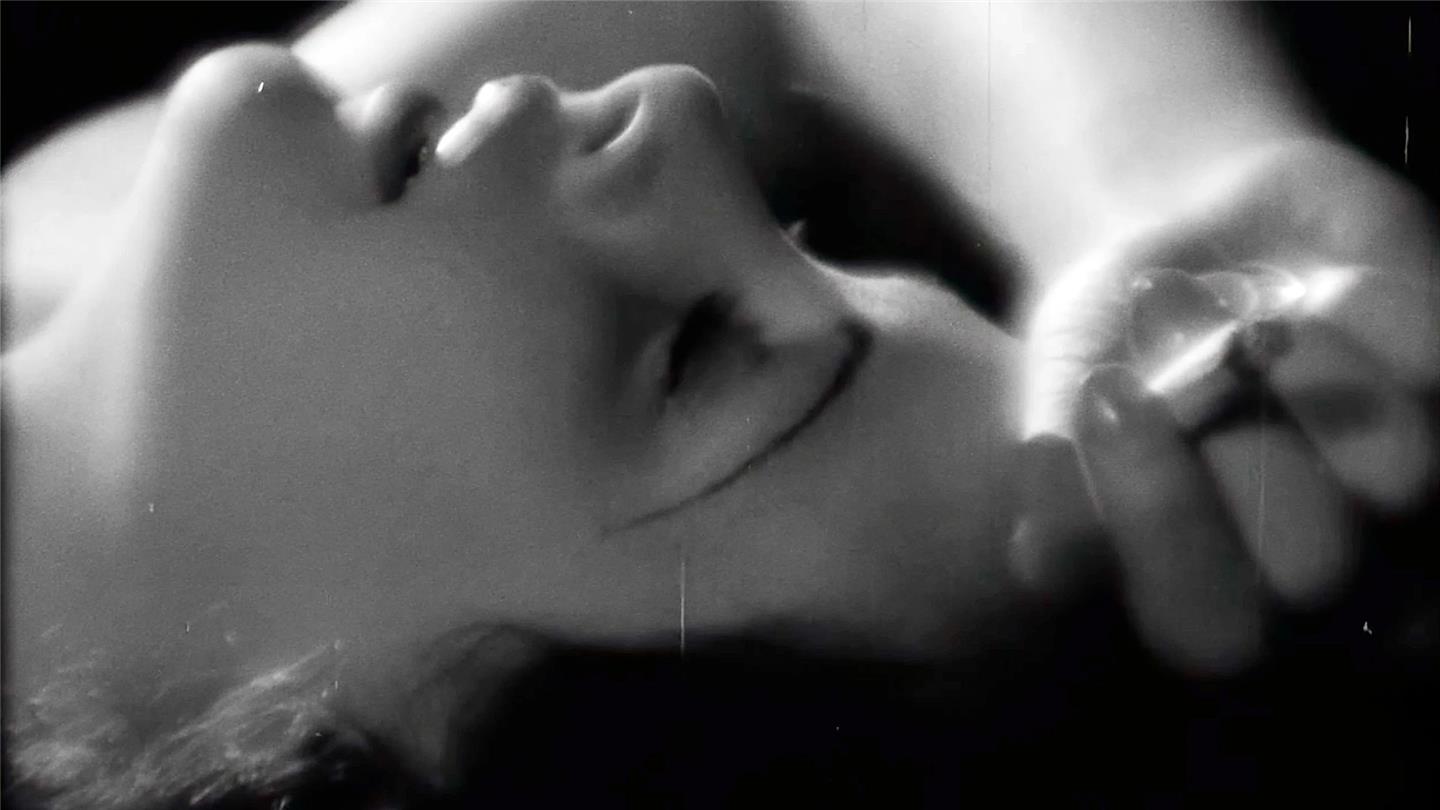
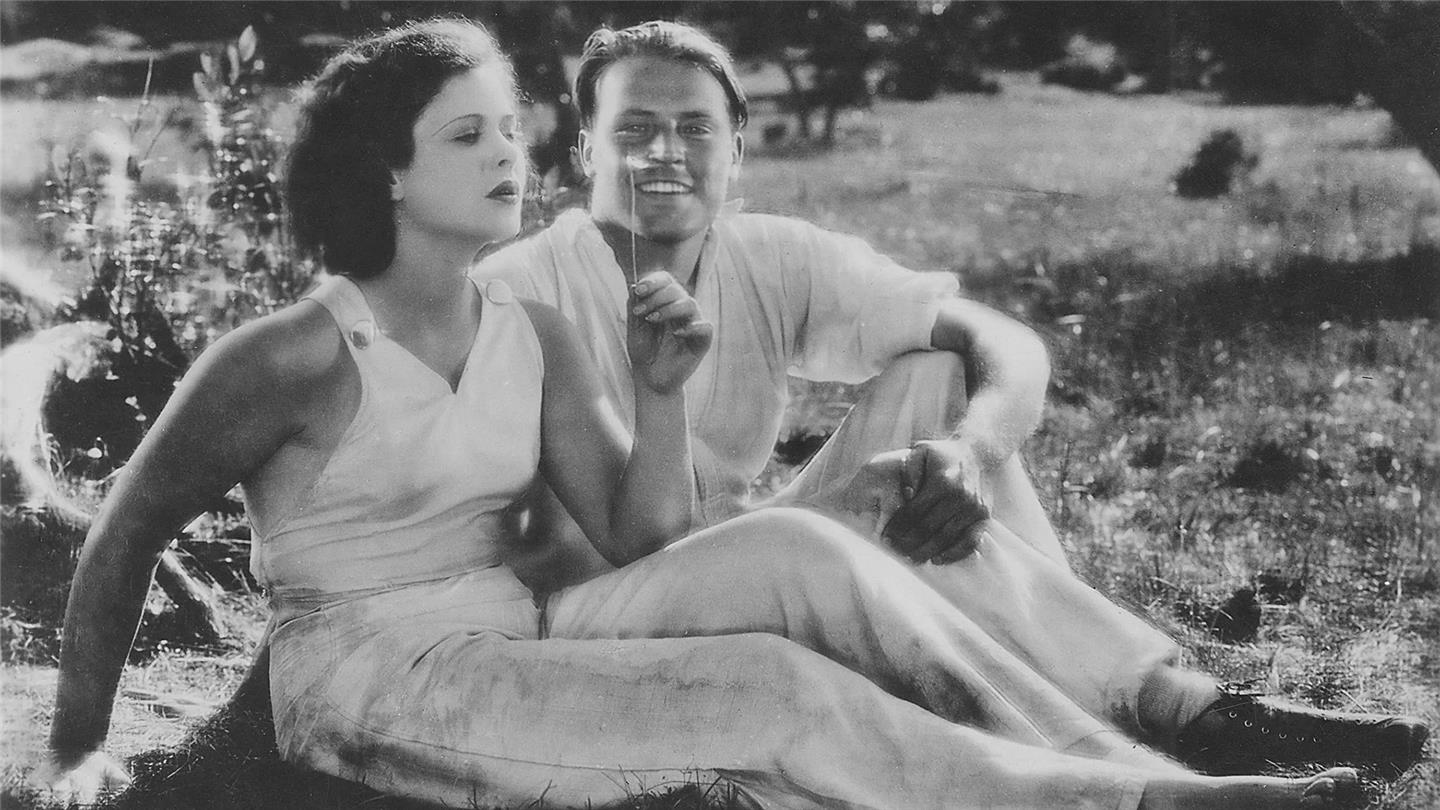
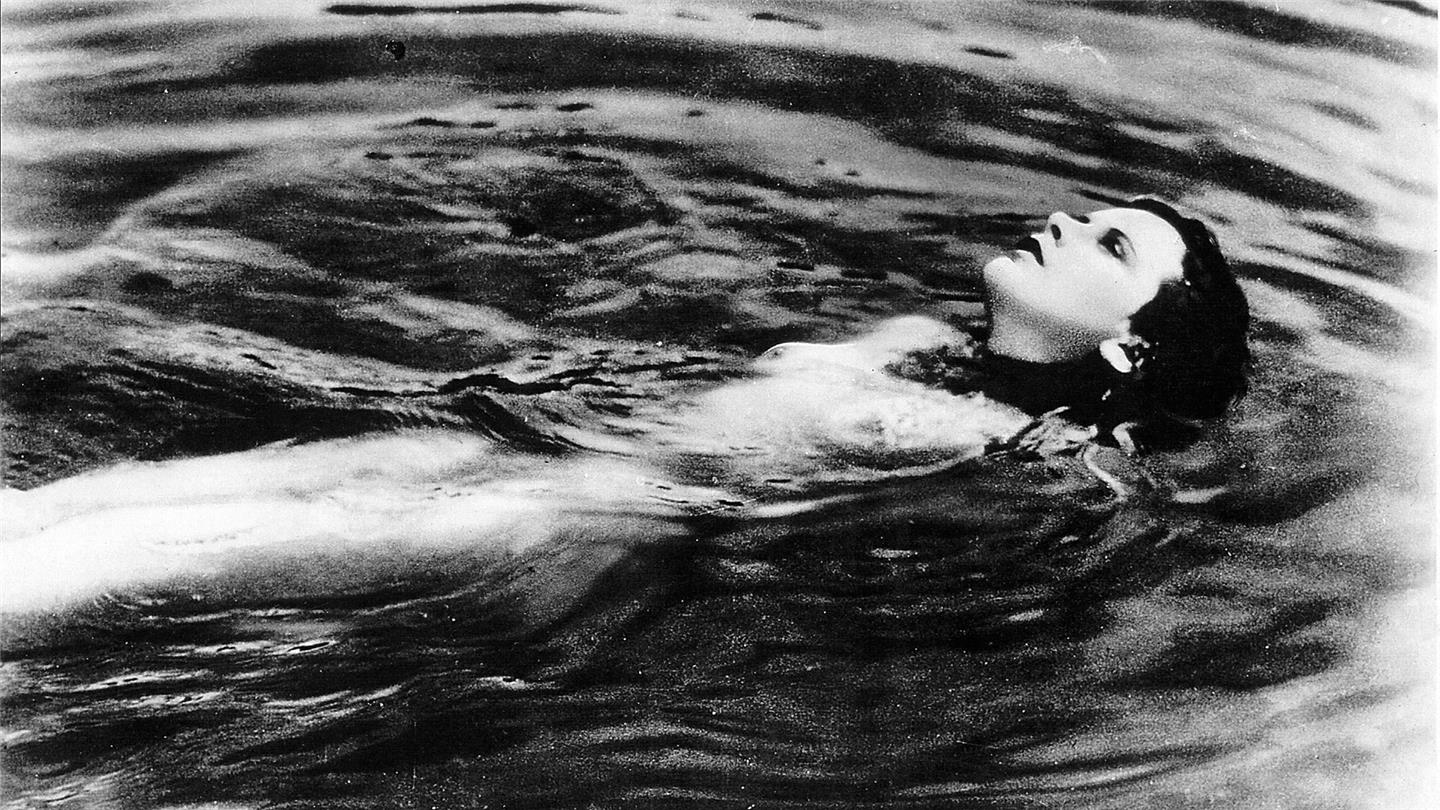
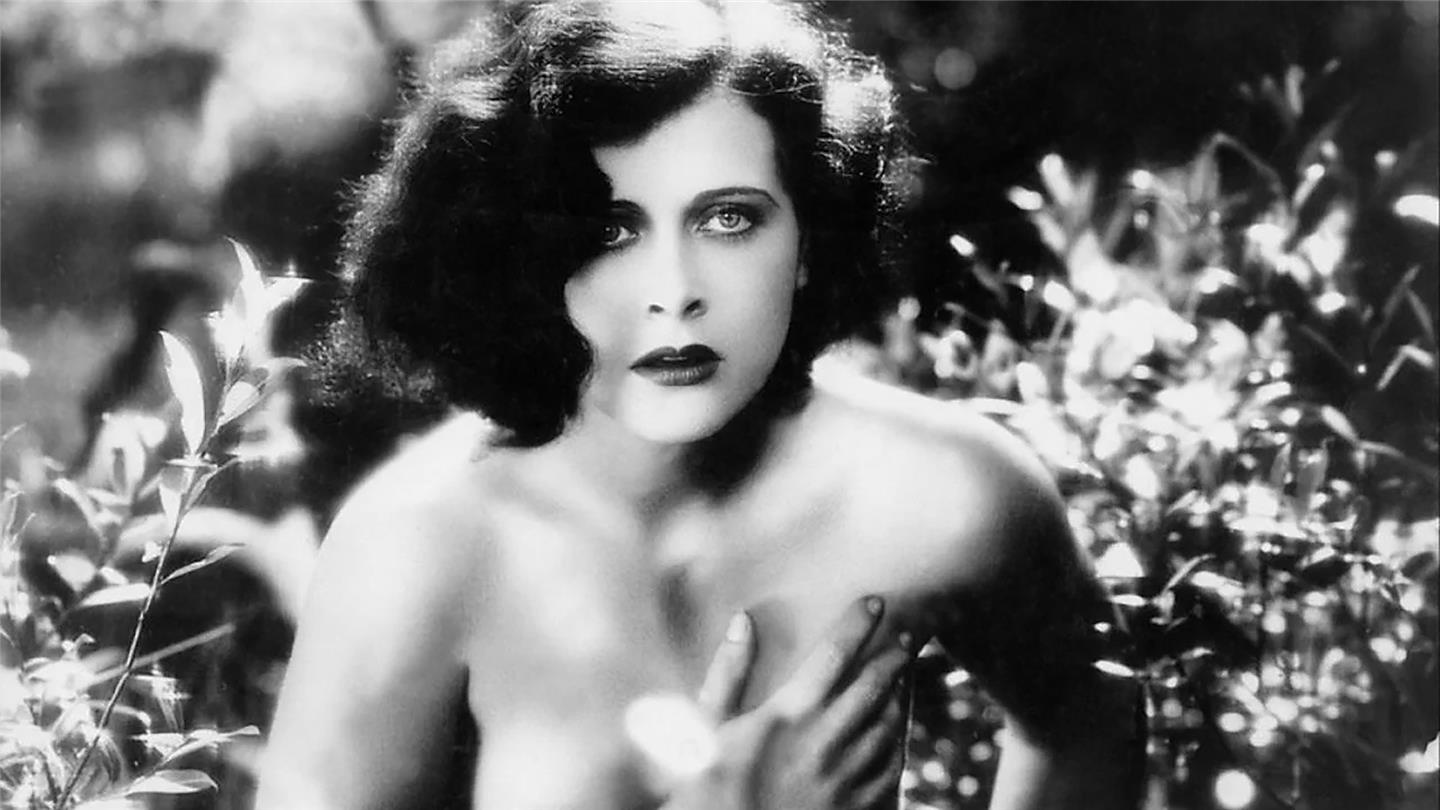
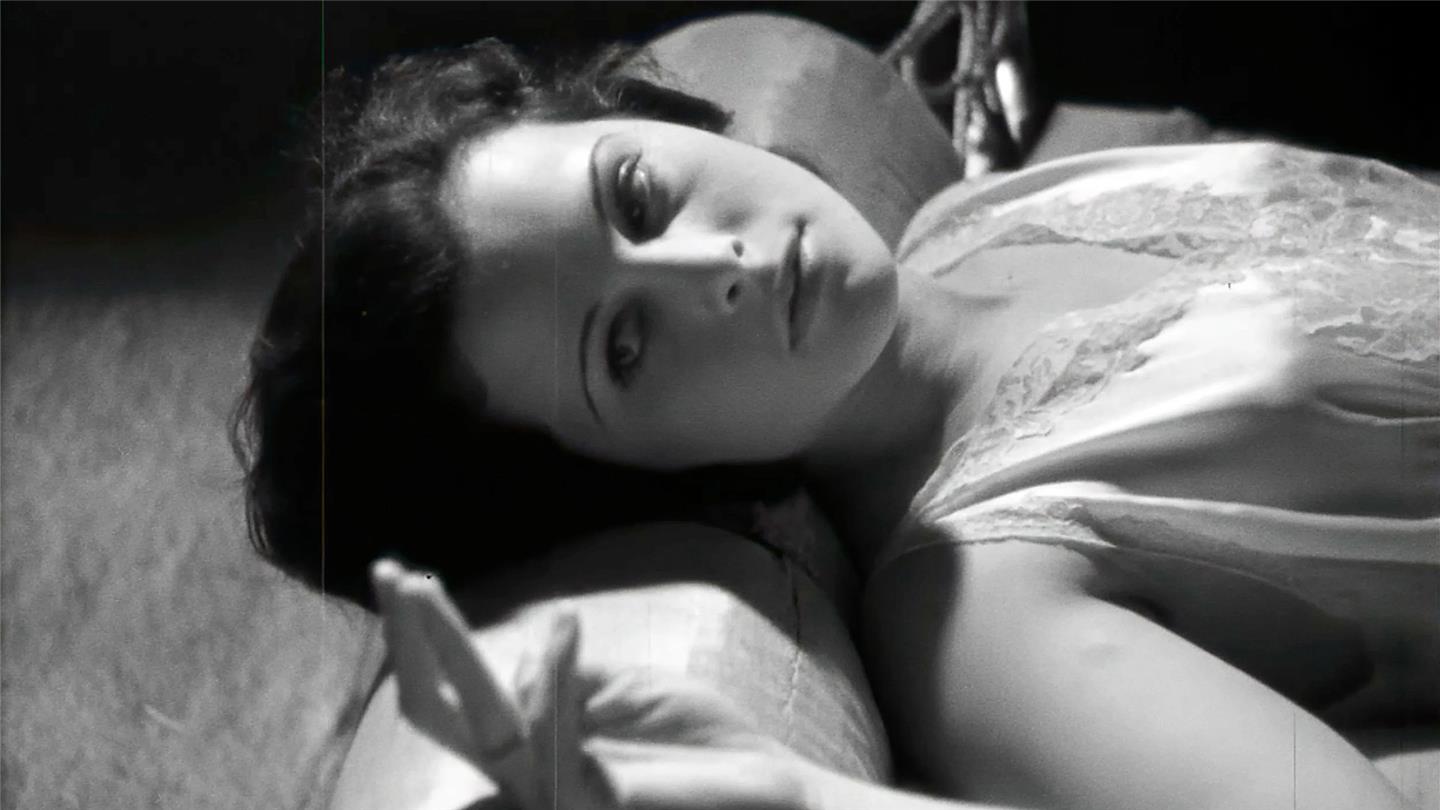
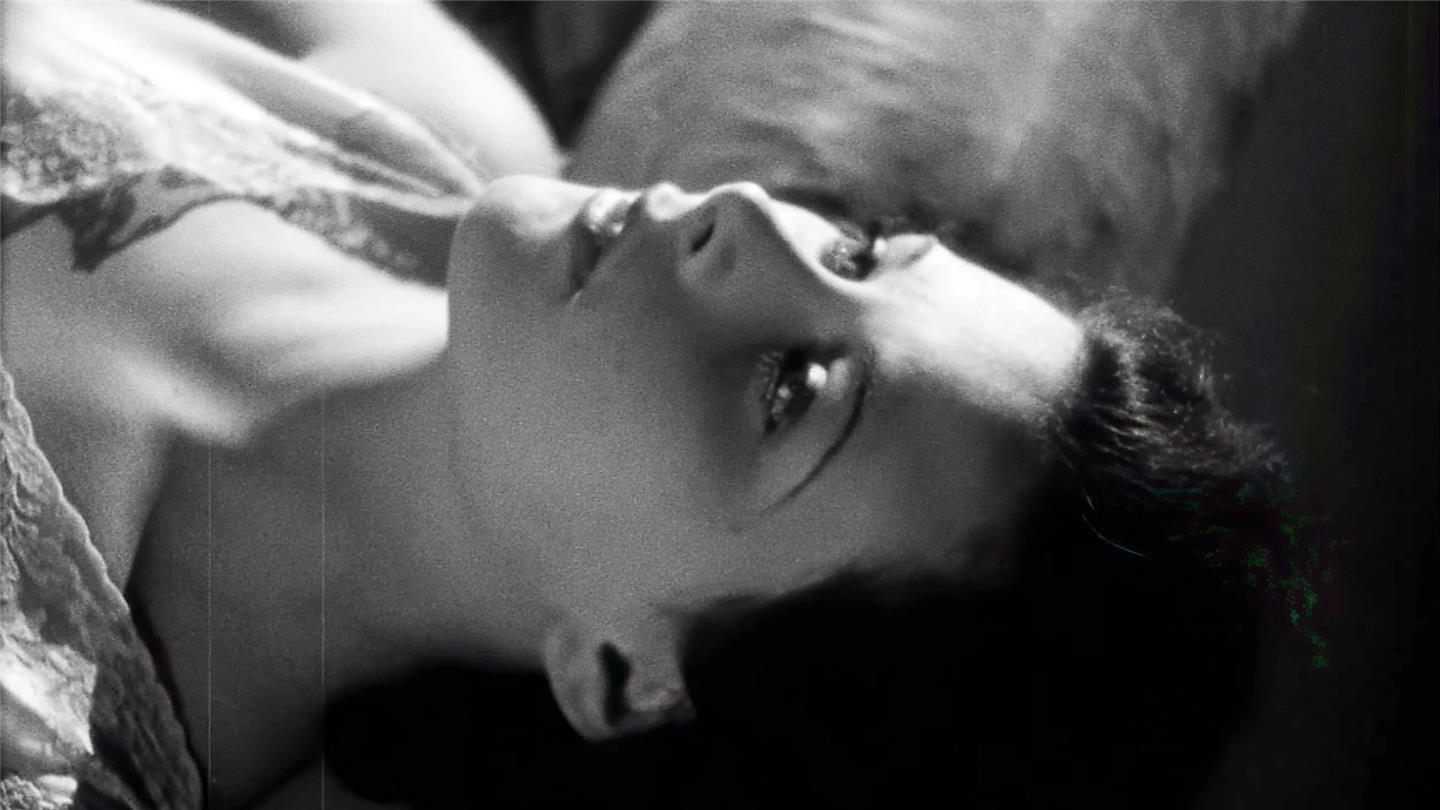
Eva is a woman from a good family who – after feeling somewhat dissatisfied on her wedding night – prefers to become involved with the young engineer Adam rather than continue to put up with her wooden husband Emil. This decision has consequences … Machatý’s emancipatory drama is regarded as a milestone in Czech film history. As a partial-sound film – a typical product of the transition from silent to sound film – it features dialogue and sound effects in only a few scenes; for the most part, it still relies entirely on the visual expressiveness of silent film, culminating in a ‘socialist apotheosis’ at the very end that is reminiscent of Eisenstein’s films. Ekstase also strikes a modern note, particularly in its portrayal of a sexually frustrated female character striving for autonomy. It was probably this aspect in particular that led to numerous instances of censorship well into the 1950s, even more so than the unusually revealing nude scenes featuring the future Hollywood star Hedy Lamarr (then still known as Hedwig Kiesler). The Prague-based production company Elektafilm shot the film simultaneously in three languages in Vienna (Czech, German, French). We are showing a new reconstruction of the German-language version from the Filmarchiv Austria, which comes closest to the film’s original intention. (dw)
Eva is a woman from a good family who – after feeling somewhat dissatisfied on her wedding night – prefers to become involved with the young engineer Adam rather than continue to put up with her wooden husband Emil. This decision has consequences … Machatý’s emancipatory drama is regarded as a milestone in Czech film history. As a partial-sound film – a typical product of the transition from silent to sound film – it features dialogue and sound effects in only a few scenes; for the most part, it still relies entirely on the visual expressiveness of silent film, culminating in a ‘socialist apotheosis’ at the very end that is reminiscent of Eisenstein’s films. Ekstase also strikes a modern note, particularly in its portrayal of a sexually frustrated female character striving for autonomy. It was probably this aspect in particular that led to numerous instances of censorship well into the 1950s, even more so than the unusually revealing nude scenes featuring the future Hollywood star Hedy Lamarr (then still known as Hedwig Kiesler). The Prague-based production company Elektafilm shot the film simultaneously in three languages in Vienna (Czech, German, French). We are showing a new reconstruction of the German-language version from the Filmarchiv Austria, which comes closest to the film’s original intention. (dw)
90 Min. / sw / DCP / D/e
To this organizer's website
Thursday, November 12, 2026
18:30 - 20:00 o'clock
Director: Gustav Machatý
Screenplay: Gustav Machatý, František Horký
Writer: Viteslav Nezval
Cinematography: Jan Stallich
Music: Giuseppe Becce
Editing: Antonín Zelenka
Cast: Hedwig Kiesler (= Hedy Lamarr) (Eva), Zvonimir Rogoz (Emil), Aribert Mog (Adam), Leopold Kramer (the father), Karel Mácha-Kuča (the lawyer), Jan Svitak, Jiřina Steimarová
Screenplay: Gustav Machatý, František Horký
Writer: Viteslav Nezval
Cinematography: Jan Stallich
Music: Giuseppe Becce
Editing: Antonín Zelenka
Cast: Hedwig Kiesler (= Hedy Lamarr) (Eva), Zvonimir Rogoz (Emil), Aribert Mog (Adam), Leopold Kramer (the father), Karel Mácha-Kuča (the lawyer), Jan Svitak, Jiřina Steimarová
Filmpodium Kino
Nüschelerstrasse 11
8001 Zürich
+41 (0)44 415 33 66
info@filmpodium.ch
Accessibility:


Infos Zugänglichkeit:
The cinema is accessible for wheelchairs and equipped with a wireless assistive listening system.
