

Raising the curtain on the old town churches: Grossmünster, Fraumünster and St. Peter are among Zurich's landmarks. They welcome hundreds of thousands from all over the world every year. For a tour of the churches, for quiet contemplation, but ...
Before attending, double-check the required language skills on the organizer's website.
1,100 years of the city’s history in the Fraumünster crypt
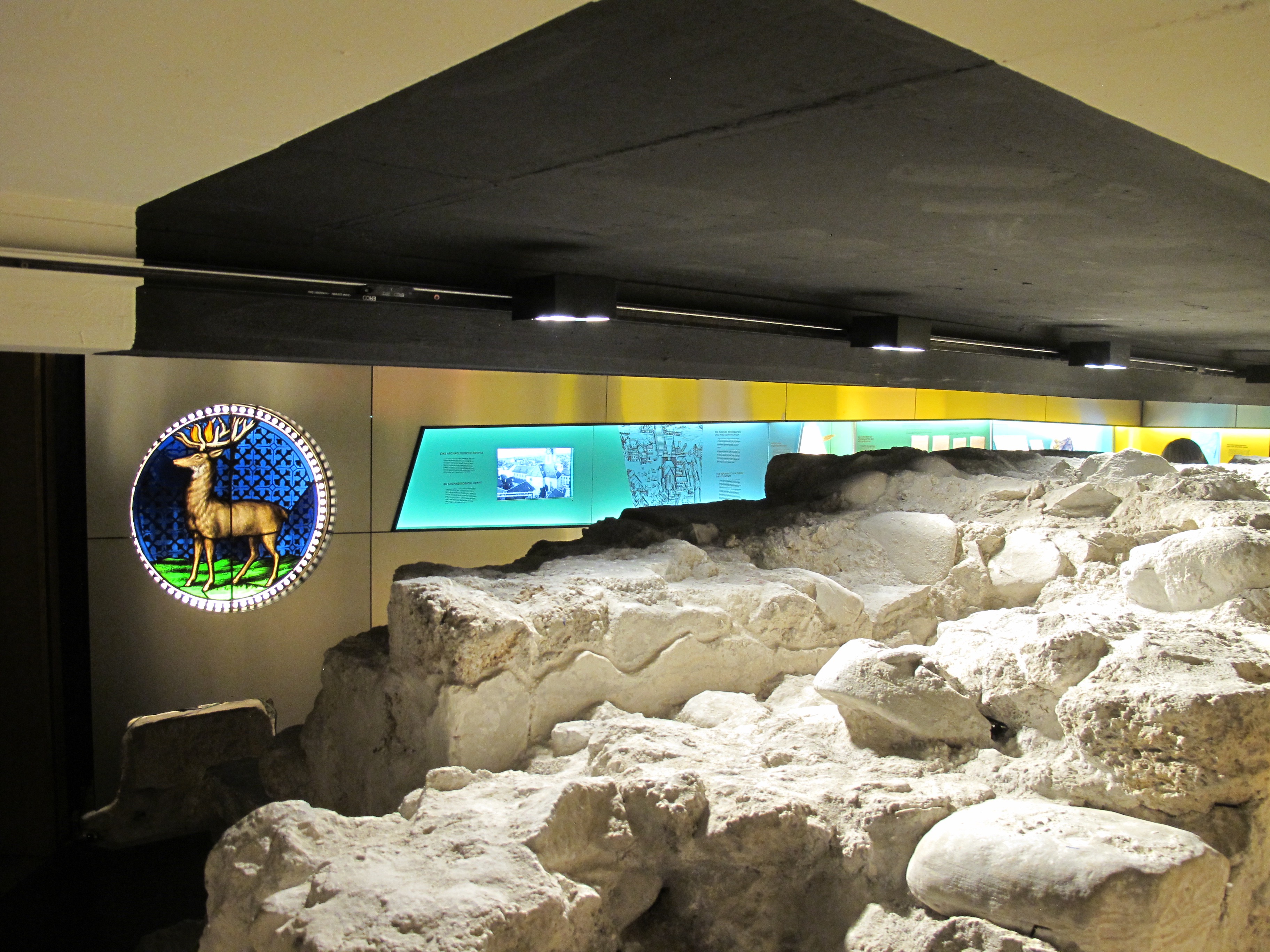
The remains of the Fraumünster crypt were rediscovered during restoration work in the summer of 1900. At that time, the city architect Gustav Gull had parts of Fraumünster Abbey, which had been dissolved in 1524 during the Reformation, demolished. In their place, he built the town hall and the new cloister. At the time, there was no use for the newly discovered space beneath the Fraumünster choir in the day-to-day life of the church. It was misused as a storage area for building materials. It is only since 2016 that the crypt has been open to the public, following its expert renovation.
Archaeological finds

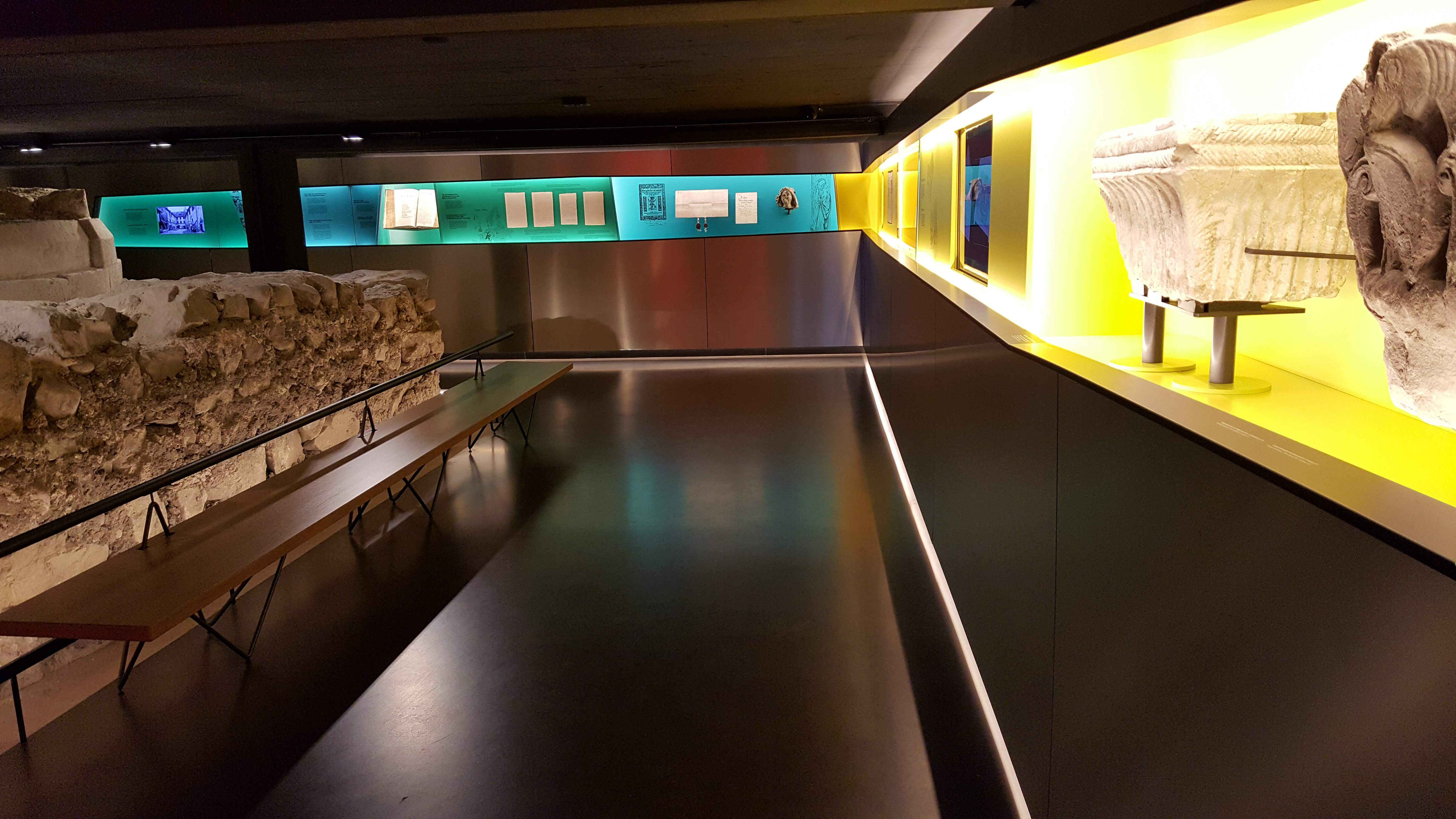
The remains of the walls are the last evidence of the buildings that preceded today’s Fraumünster. They probably date from the 9th century, i.e. from the time the abbey was founded. The extent of the crypt from the same period can be surmised from the ruins. In the 11th century, the crypt underwent extensive alterations. Relics were kept there.
The exhibition
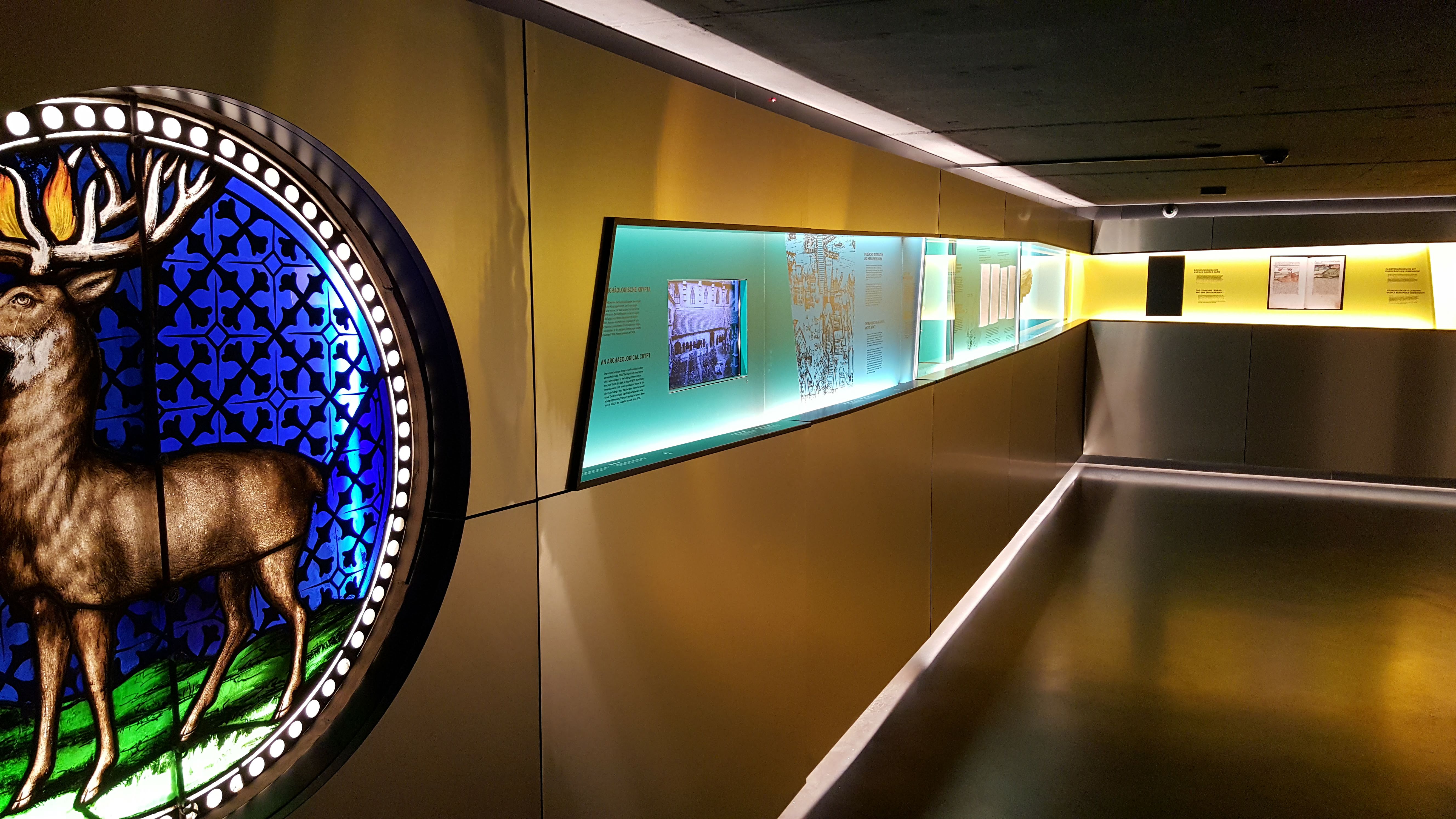
The exhibition in the Crypt Museum offers an insight into the development of the monastery, the Reformation and the history of today’s Fraumünster. Drawings and animations document the various phases of the monastery’s construction.
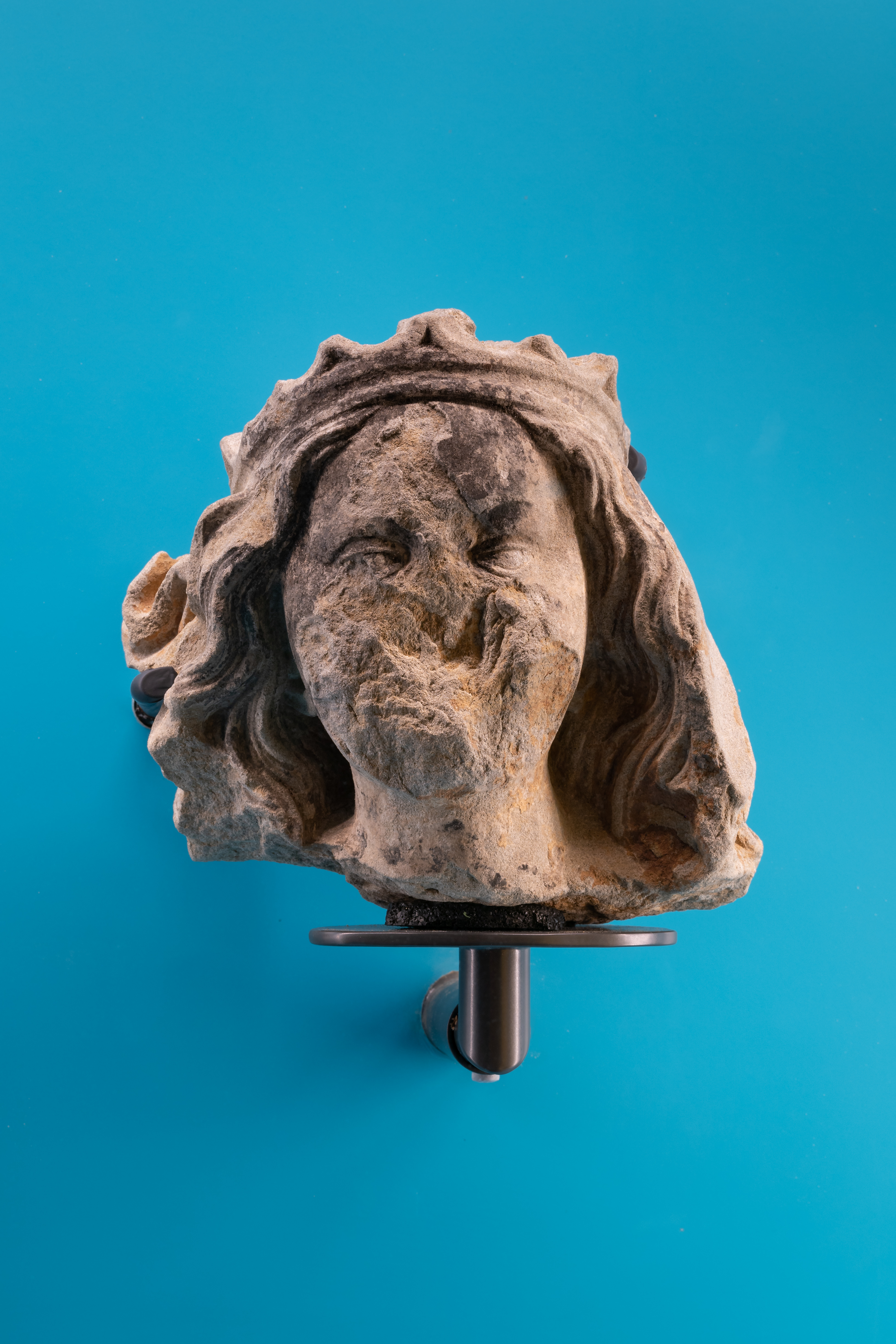
Another focus is on the Reformation period. On display are facsimiles of letters by Heinrich Bullinger, for example to Martin Luther and Philipp Melanchthon, as well as an Ulrich Bible, published in 1755 by the Fraumünster pastor Johann Caspar Ulrich. The highlight is the head of a statue of the Virgin Mary, which is missing its nose. It was recovered in 2013 during excavations on the neighbouring Börsenstrasse. It bears witness to the iconoclasm that followed the Reformation.
The third part of the exhibition traces the development from the abbey to the present-day parish church, including portraits of all parish priests since 1524.
To this organizer's website
Permanent exhibition
Altstadtkirchen
Verschiedene Standorte
