© Museum Rietberg

Between cult and prohibition

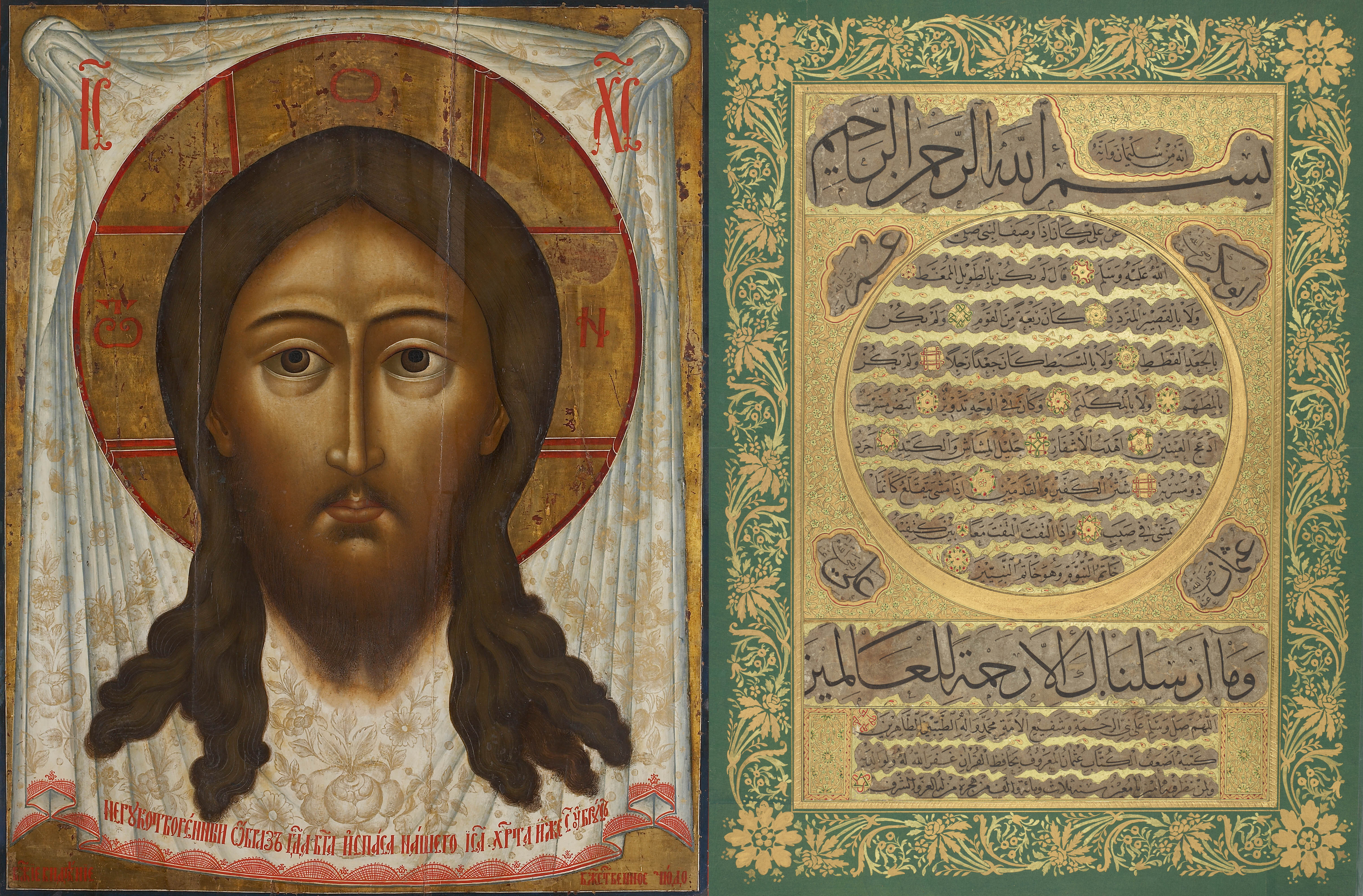
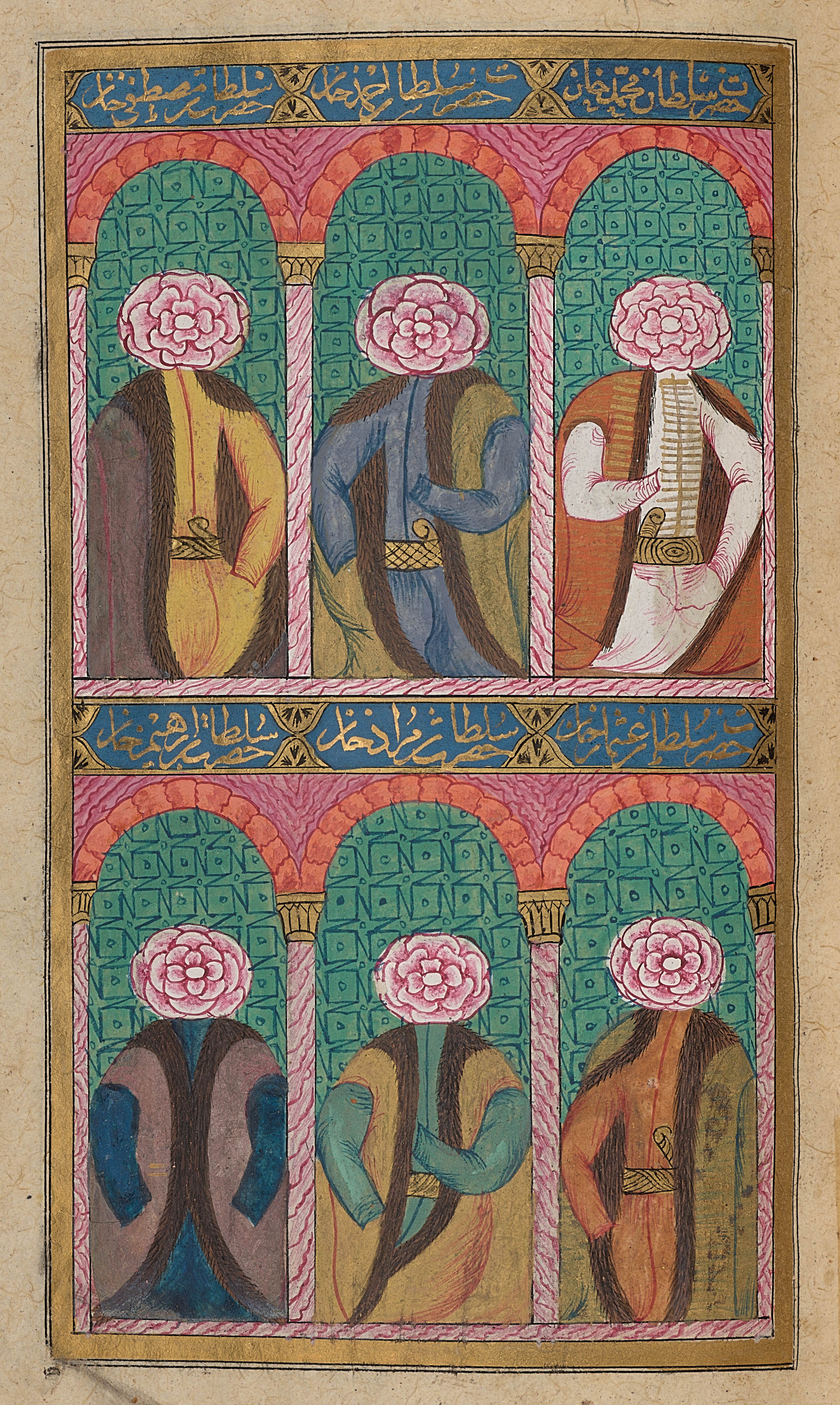
The Museum Rietberg takes a look at the issue of aniconism, or the absence of material representation due to prohibition. The exhibit presents the different strategies that Islam and Christianity have developed.

Humankind’s capability for imagination is fascinating. We can imagine things and give them form, even if they are things that don’t even exist, or that we’ve never seen. Take God, the example par excellence for the incomprehensible and unknown. There’s only one problem: we aren’t actually allowed to depict this inconceivable thing. At least that’s what the Second Commandment says: «Thou shalt not make unto thee any graven image, or any likeness of any thing that is in heaven above, or that is in the earth beneath, or that is in the water under the earth.» And that’s where the questions start – because it’s not immediately clear what exactly this might mean. The prohibition of material representation, or aniconism, doesn’t seem to fit in with the abundance of art – including religious art – that we know from Christian cultural spaces. So what’s up with it? Also, is this even a question that makes sense in today’s world? At the end of the day, we’re living in an age dominated by the visual. And while that’s clear, it’s also true that images are still censored today. And in this age in which we put our belief in what we see, there are still taboos regarding the depiction of sensitive content. The flood of images we see every day also begs the question: can we still believe our eyes? The topic of images and what can be represented is nothing less than modern.

As soon as we begin to more closely inspect the idea of the image, the questions start to build up. How do other religions and cultures handle it? Although we live in a global age, ignorance about other cultures and social customs still exists. Our perception is often dominated by clichés and prejudices: We all know that, that which is strange can also be frightening. An exhibit at the Museum Rietberg aims to dispel exactly this notion. «Im Namen des Bildes: Das Bild zwischen Kult und Verbot in Islam und Christentum» («In the Name of the Image: The Image Between Cult and Prohibition in Islam and Christianity») deliberately uses a comparative cultural approach to do so. The exhibit sheds light on this complex topic by letting various artifacts do the talking. With the help of 130 objects – whose origins span some ten centuries – viewers are introduced to the prohibition of images in two central monotheistic religion. We learn, for example, that aniconism, or the prohibition of material representation, isn’t mentioned in the Qur’an. But figurative representations aren’t found in mosques. How do you explain the contradiction? Or why have there been multiple iconoclastic moments in Christianity? Cult and outright rejection of the image isn’t easily a black and white issue. This exhibit uses objects and works of arts to demonstrate the various shades of gray surrounding the issue.

When we enter, our curiosity is piqued thanks to a clear and open exhibit scenography. And it’s right that staging of the various objects is taken so seriously. Let’s be honest: thanks to Instagram, we’re all experts when it comes to taking the perfectly-framed picture. As soon as we enter the exhibition space, we’re immersed in an environment that takes us on a stimulating journey through thoughts and their physical forms of expression. Visibility and invisibility are universal themes that have retained their ability to polarize, even in our supposedly enlightened era.

At first it seems logical that humankind not be able to see God. But what about the experience? Banal feelings, such as love, are also not visible. Are we closer to those we

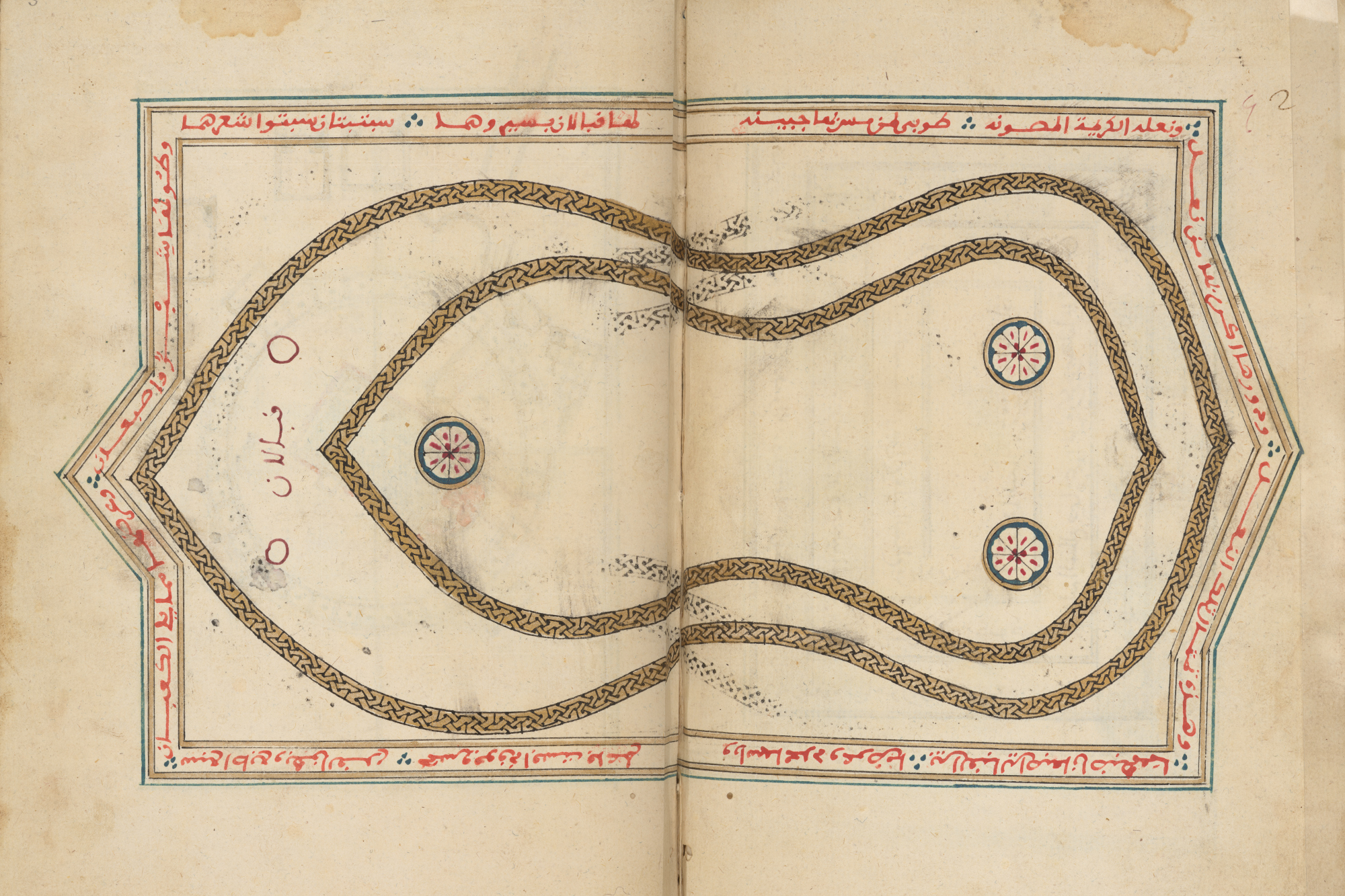
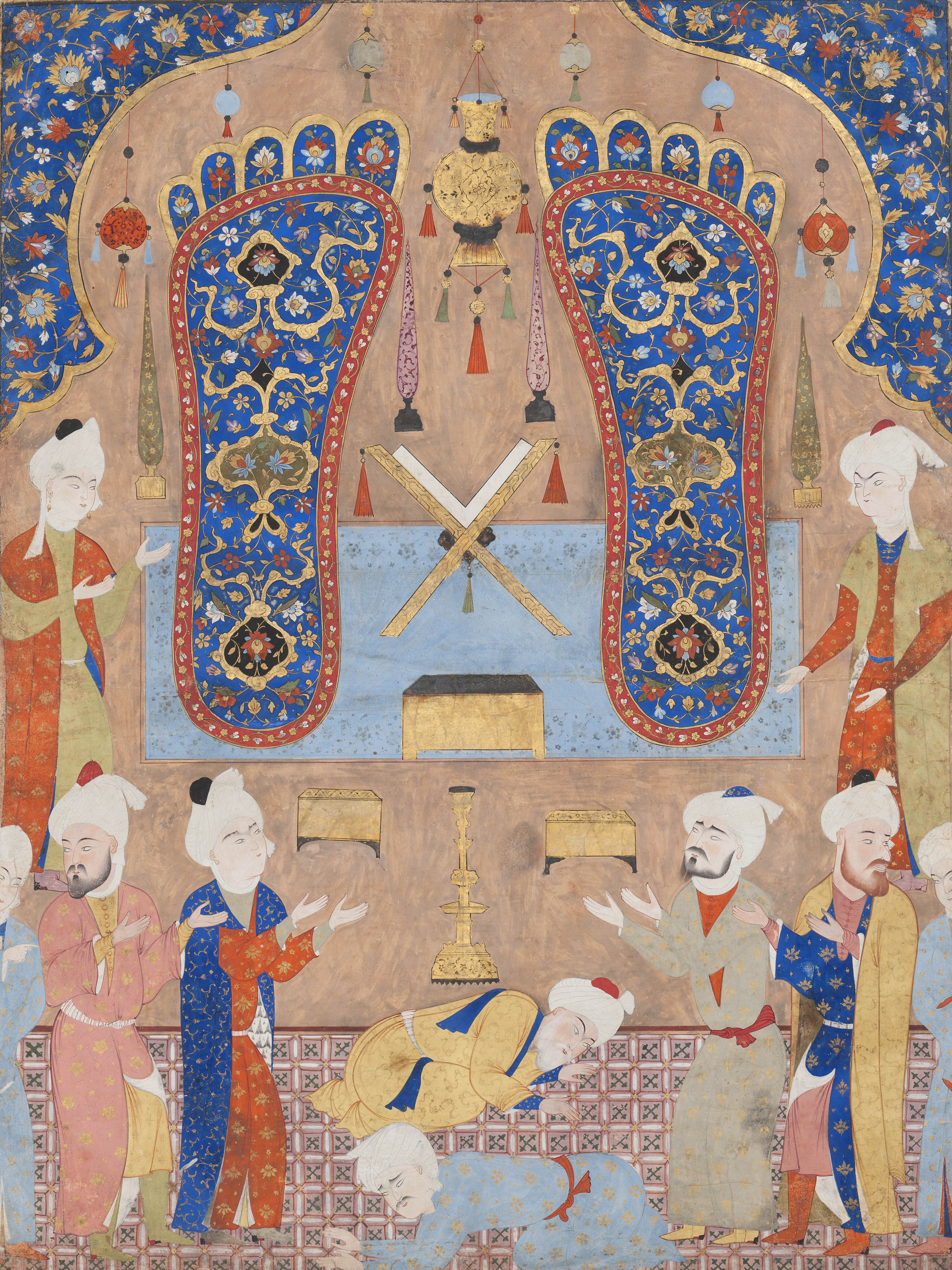
love when we carry a picture of them in our pocket? Can an image replace something? Clearly, we have the desire to make the absent tangible and perceptible. Humans find detours – perhaps by developing a symbol that can represent something else. And so, the representation of Mohammed's sandal can become a placeholder (see image below). Or Islamic calligraphy: it is the embodiment of holy words (see image below). An iconic image or the relic can be other strategies for representation. What is revealed through the exhibit’s different objects is then nothing rapturous, but rather a part of our everyday culture.

Mediation program

Published from Susanna Koeberle on February 15, 2022.

More from our scouts

From the blessing into the fire
27.03.2025

From the blessing into the fire

Schöne neue Welt: Es regnet Päckli im Fabriktheater. Doch Jungkritiker Gustavo, Sohn des Autors, blickt hinter die Kulissen.

Adrian Schräder
Adrian Schräder
My first time ... at the Kunsthalle Zürich
18.04.2024

My first time ... at the Kunsthalle Zürich

Two rooms of art, one reduced to a minimum, the other full of historical details. In between, a staircase as a colourful collage.

Simone Liedtke
Simone Liedtke
My first time ... at the Maxim Theatre
22.12.2022

My first time ... at the Maxim Theatre

In this series, authors visit places and look for experiences they have not yet experienced - and report on their "premiere".

Laura Tenchio
Laura Tenchio

More from your scouts

Soraja Hagspiel
Soraja Hagspiel
Frank Wendler
Frank Wendler
Eva Cabañas
Eva Cabañas
Elia Brülhart
Elia Brülhart
Michèle Bischoff
Michèle Bischoff
David Suivez
David Suivez
All scouts