
The Ethnographic Museum at the University of Zurich is a social anthropology science museum and the third oldest ethnographic museum in Switzerland. In research, teaching and public outreach activities, it focuses "On Human Skill" and shows the full ...
Before attending, double-check the required language skills on the organizer's website.
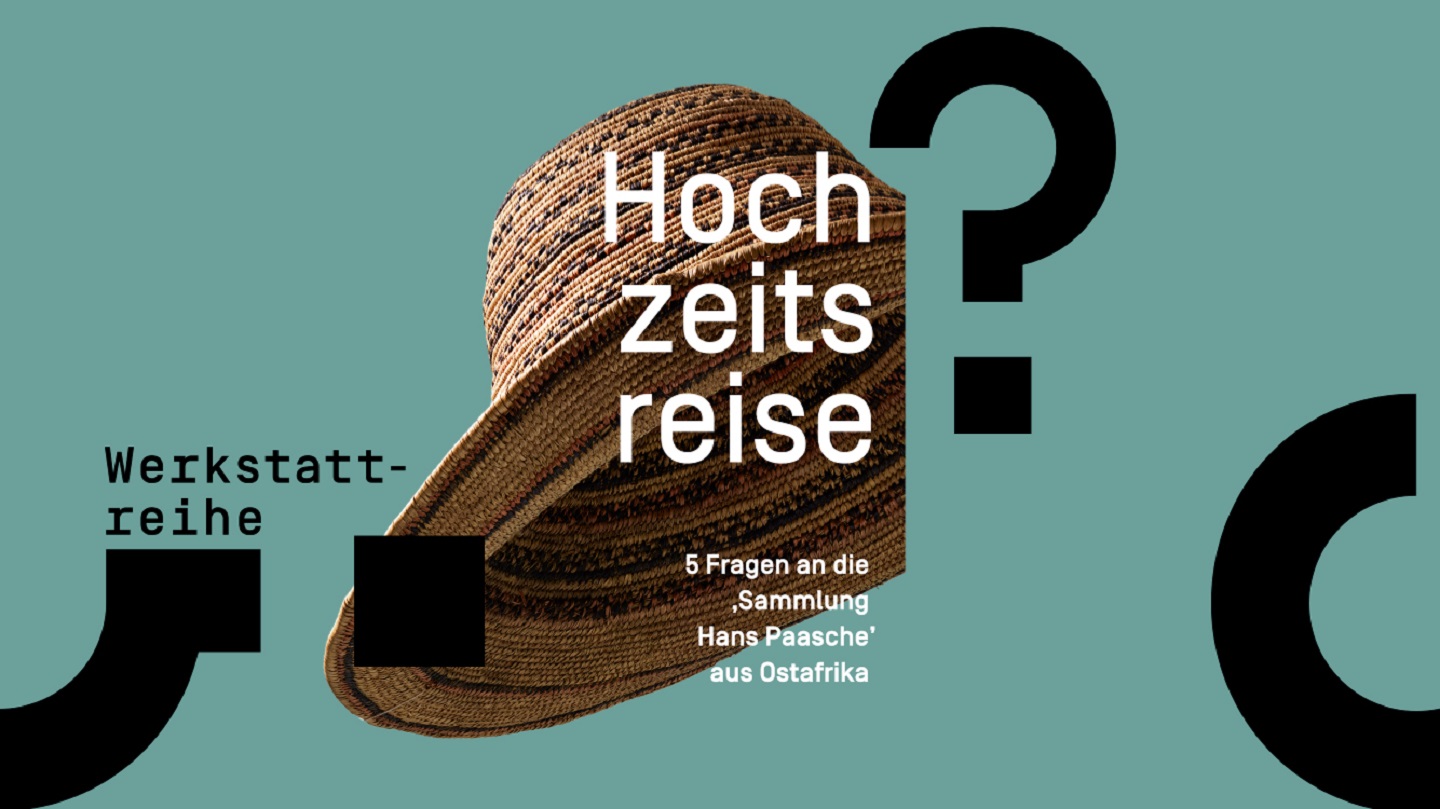
Honeymoon? 5 questions on the ‘Hans Paasche collection’ from East Africa
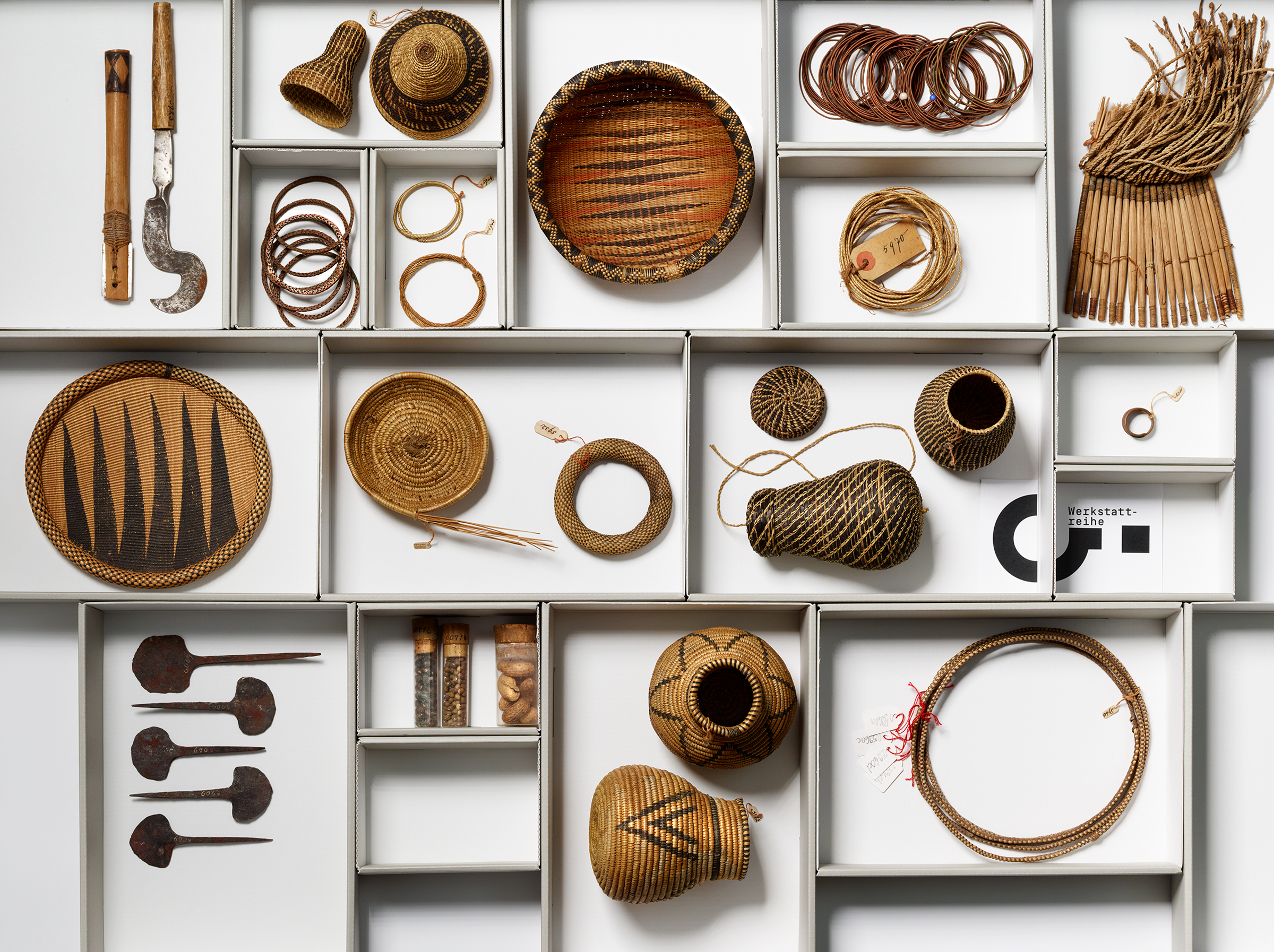
To the source of the Nile with 60 porters: this is how Hans and Ellen Paasche travel through the East African Great Lakes Region in 1909/1910. They bring back hundreds of objects from their honeymoon. For Hans Paasche it is not his first time in East Africa. A few years earlier, as a German naval officer, he was involved in the fight against insurgents in the colony of German East Africa. Already during that time he collected objects. The Paasches’ collection came to Zurich in 1922.
While much is known about the Paasches' biography and views, not least through Hans Paasche's publications, we know almost nothing about the exact origin of the objects and the people to whom they once belonged. How did Hans and Ellen Paasche meet these people? Which objects come from their honeymoon, which ones did Hans Paasche collect as a colonial soldier? And what significance do the objects have today for the descendants of their creators? The workshop exhibition provides insights into current research between ethnology, provenance research and collaboration with experts from the region of origin.
Völkerkundemuseum Universität Zürich
Pelikanstrasse 40
8001 Zürich
+41 (0)44 634 90 11
musethno@vmz.uzh.ch
Opening hours:
Dienstag, Mittwoch, Freitag: 10:00 - 17:00
Donnerstag: 10:00 - 19:00
Samstag: 14:00 - 17:00
Sonntag: 11:00 - 17:00
Montag: geschlossen
Accessibility:

Infos Zugänglichkeit:
Rollstuhl
Das Museum ist durchgehend rollstuhlgängig. Für die Benutzung des Lifts wenden Sie sich bitte an den Empfang. Im Untergeschoss befindet sich eine Toilette für Menschen mit Beeinträchtigung, die ebenfalls mit Hilfe des Lifts erreicht werden kann.
Parkplatz
Das Völkerkundemuseum bietet grundsätzlich keine Parkplätze an. Menschen mit Beeinträchtigungen dürfen jedoch direkt vor dem Museumseingang parkieren. Hierzu ist eine telefonische Anmeldung erforderlich, weil das Eingangstor zeitgerecht aufgeschlossen werden muss.
